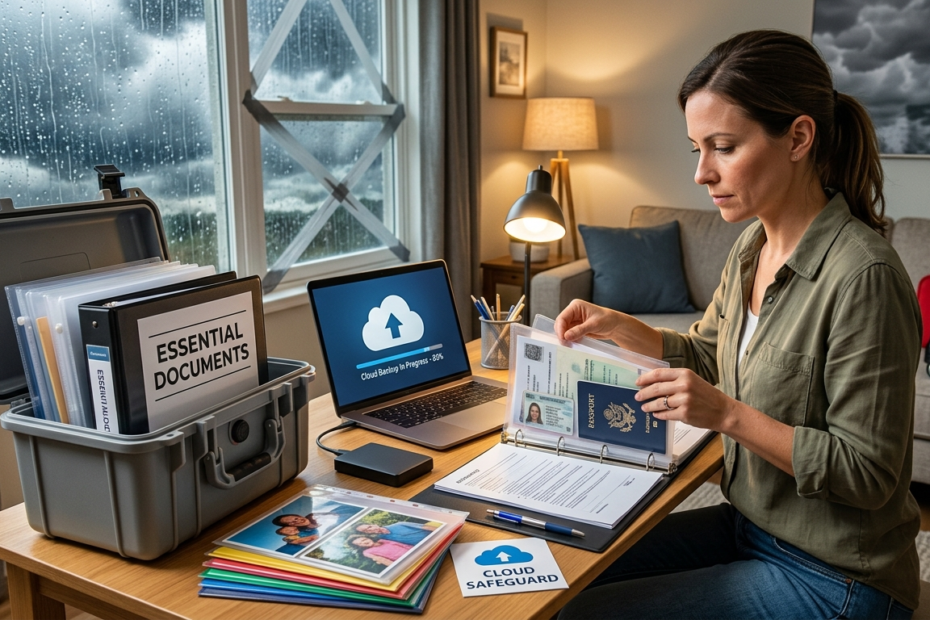
Introduction: Why You Must Protect Vital Documents
Disasters strike without warning. Recently, severe flooding in Hawaii destroyed homes, businesses, and critical records. Events like this show how quickly life can change.
Many families now face lost paperwork. Insurance claims will take longer. Ownership proof may be harder to establish. As a result, recovery becomes more stressful and uncertain.
However, you can prepare in advance. When you protect vital documents, you reduce risk. You also gain control during chaotic situations.
This guide explains how to organize, store, and secure everything. Most importantly, it helps you build a system that works anywhere.
Categorize and Protect Vital Documents First
Start by sorting everything into clear groups. This step improves access and reduces confusion later.
Personal Identification
These are your most critical records. Always protect vital documents like:
• Passports
• Social Security cards
• Birth, marriage, and death certificates
• Military discharge papers
Financial and Property Records
Next, organize your ownership and financial proof:
• Property deeds
• Vehicle titles
• Loan documents
• Safe deposit box access
Legal and Planning Documents
These documents define your wishes. Therefore, protect them carefully:
• Wills and trusts
• Powers of attorney
• Healthcare directives
Insurance and Medical Information
Finally, keep records that support claims and health needs:
• Insurance policies
• Immunization records
• Medication lists
Clear categories make it easier to protect vital documents quickly during emergencies.

Physical Storage Strategies That Actually Work
Physical protection still matters. In fact, original documents often carry legal weight.
Use Fireproof and Waterproof Storage
Invest in a high-quality safe. Place frequently used documents inside. This ensures daily access while maintaining protection.
Store Documents High and Dry
Flooding, like what recently occurred in Hawaii, destroys records at ground level first. Therefore, store your safe on an elevated surface.
Vacuum Seal for Longevity
Vacuum sealing prevents moisture damage. It also slows aging and discoloration. However, avoid sealing delicate or multi-page items tightly.
Choose Smart Containers
Avoid cardboard boxes during storms. Instead, use:
• Airtight plastic bins
• Heavy-duty resealable bags
• Waterproof dry bags
Use Offsite Storage for Critical Items
A bank safety deposit box adds another layer of protection. This works best for irreplaceable originals.
Build a Digital System to Protect Vital Documents
Digital backups provide flexibility. They also allow instant access anywhere.
Use Cloud Storage
Upload scanned copies to platforms like Google Drive or Dropbox. This ensures access even if your home is damaged or inaccessible.
Create Physical Digital Backups
Keep files on:
• External hard drives
• USB flash drives
Store these inside fireproof containers. This adds redundancy to your system.
Consider Professional Digitization
For large collections, professional scanning helps. It creates searchable, high-resolution records. Additionally, it supports compliance for business use.
A layered approach ensures you fully protect vital documents in any disaster scenario.
Document Your Home for Faster Insurance Claims
Insurance companies require proof. Therefore, documenting your home is essential.
Create a Room-by-Room Inventory
Walk through each room and list items. Include:
• Estimated value
• Purchase date
• Brand or model
Focus on high-value items first. Electronics and jewelry should be top priority.
Capture Visual Evidence
Take clear photos from multiple angles. Also, record video walkthroughs with narration. This provides strong evidence during claims.
After disasters like the Hawaii flooding, homeowners without documentation often face delays or disputes.
Update Regularly
Review your inventory once a year. Update it after major purchases. This keeps your records accurate and useful.
Prepare an Emergency Go-Bag That Works
A go-bag helps you act fast. It keeps essentials ready at all times.
Core Go-Bag Essentials
Include the following:
• Document binder
• Copies of property records
• Flashlight
• First-aid kit
• Cash
• Phone chargers
Create a Memory Go-Bag
Some items are irreplaceable. Therefore, prepare a separate bag with:
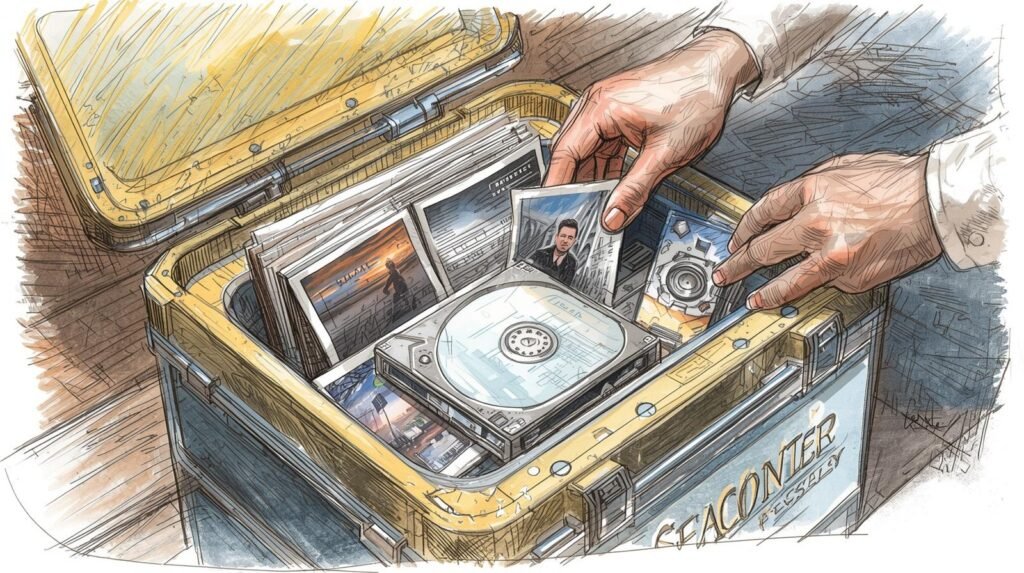
• Family photos
• Home videos
• Small keepsakes
Don’t Forget Pets
Prepare a pet go-bag with:
• Medical records
• ID cards with photos
• Food and supplies
During fast-moving floods, like those seen in Hawaii, having a ready-to-go bag can make a critical difference.
How to Recover and Save Damaged Documents
Even with preparation, damage can happen. However, quick action reduces loss.
Dry Documents Carefully
Air-dry papers slowly. Avoid heat, which can cause warping. Use gentle airflow instead.
Use the Freezing Method
If you cannot act immediately, freeze documents. This prevents mold growth. Place them in sealed plastic bags first.
Remove Moisture with Absorbents
Use cornstarch or talcum powder to absorb moisture. Apply lightly and brush off after drying.
Clean Book Covers Properly
Wipe covers using a mix of alcohol and water. This helps prevent mold and bacteria buildup.
These methods can help restore and protect vital documents after water damage.
Conclusion: Protect Vital Documents for Peace of Mind
Recent flooding in Hawaii is a clear reminder. Disasters do not wait. They strike quickly and leave lasting damage.
However, preparation creates stability. When you protect vital documents, you reduce uncertainty. You also speed up recovery after disasters.
More importantly, you preserve your personal history. Documents tell your story. They protect your future.
Start small today. Organize one category. Then build your system step by step.
Take action now—protect vital documents and secure your peace of mind before the next disaster strikes.
Can cloud storage fully replace physical document storage?
No, cloud storage should not fully replace physical storage. While it offers convenience and remote access, some institutions require original documents. A hybrid approach is the most effective way to protect vital documents.
Why is document protection important after events like flooding in Hawaii?
Events like the recent Hawaii flooding show how quickly important records can be destroyed. Many people face delays in insurance claims and recovery due to missing documents. Taking steps now helps you protect vital documents and avoid these challenges later.
Quick How-To: Update Your Protected Vital Documents (4 Steps)
Review What You Already HaveStart by checking your current documents. Look for outdated IDs, expired policies, old addresses, or missing records. This helps you identify gaps quickly.
Replace and Update Key DocumentsRequest updated copies where needed. For example, update insurance policies, add recent purchases to records, and revise legal documents after major life changes.
Refresh Your Digital BackupsScan or re-scan updated documents. Upload them to your cloud storage and replace old files. Also, update copies on your USB or external drive.
Reorganize and Re-secure EverythingPlace updated originals back into your fireproof safe. Update your emergency go-bag with the latest copies. Finally, review your system to ensure everything is easy to access.